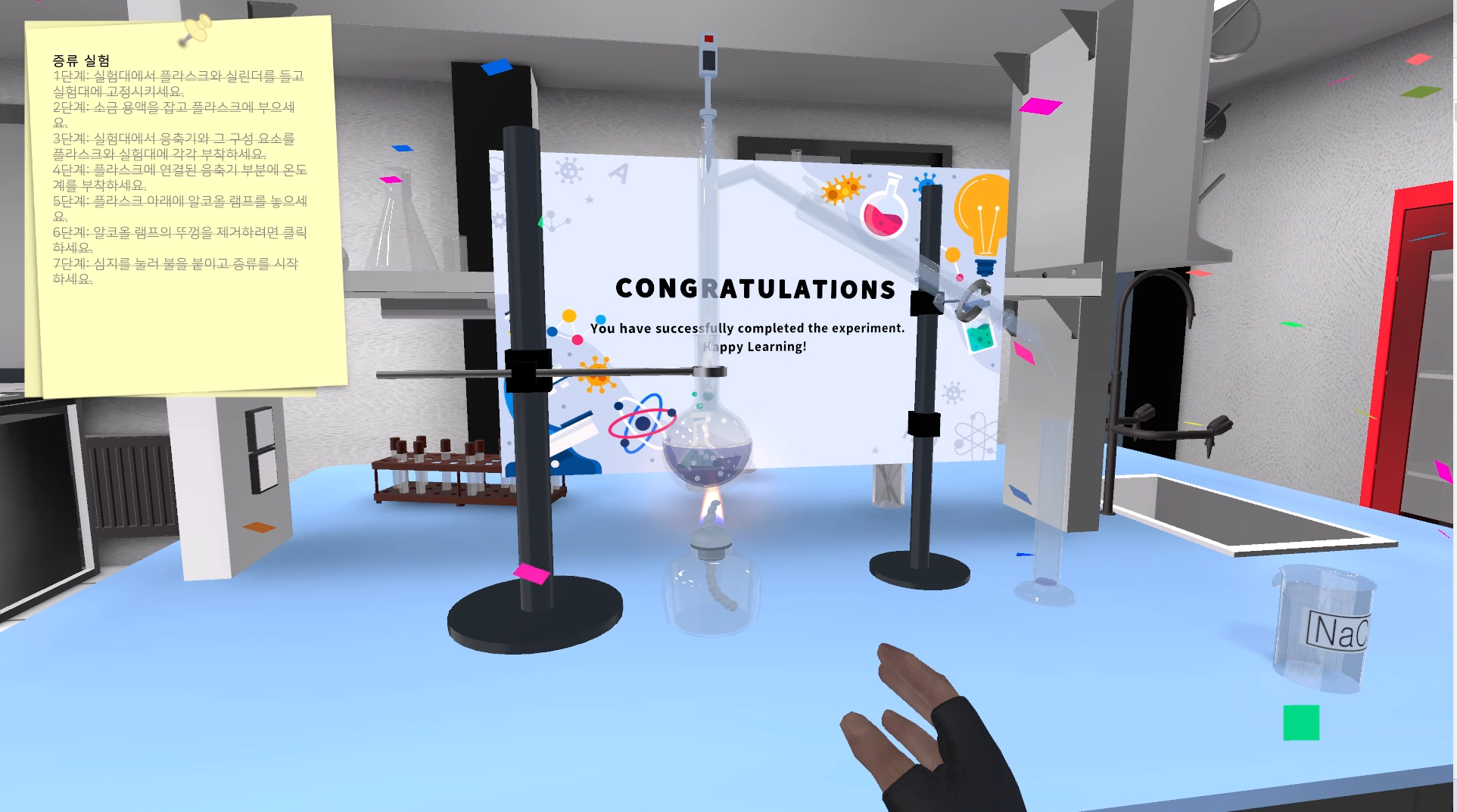
आसवन प्रयोग

In a distillation experiment, a liquid mixture is heated to create vapor, and then the vapor is condensed back into liquid form. This process separates components based on their differing boiling points, allowing for the isolation and purification of substances within the mixture.
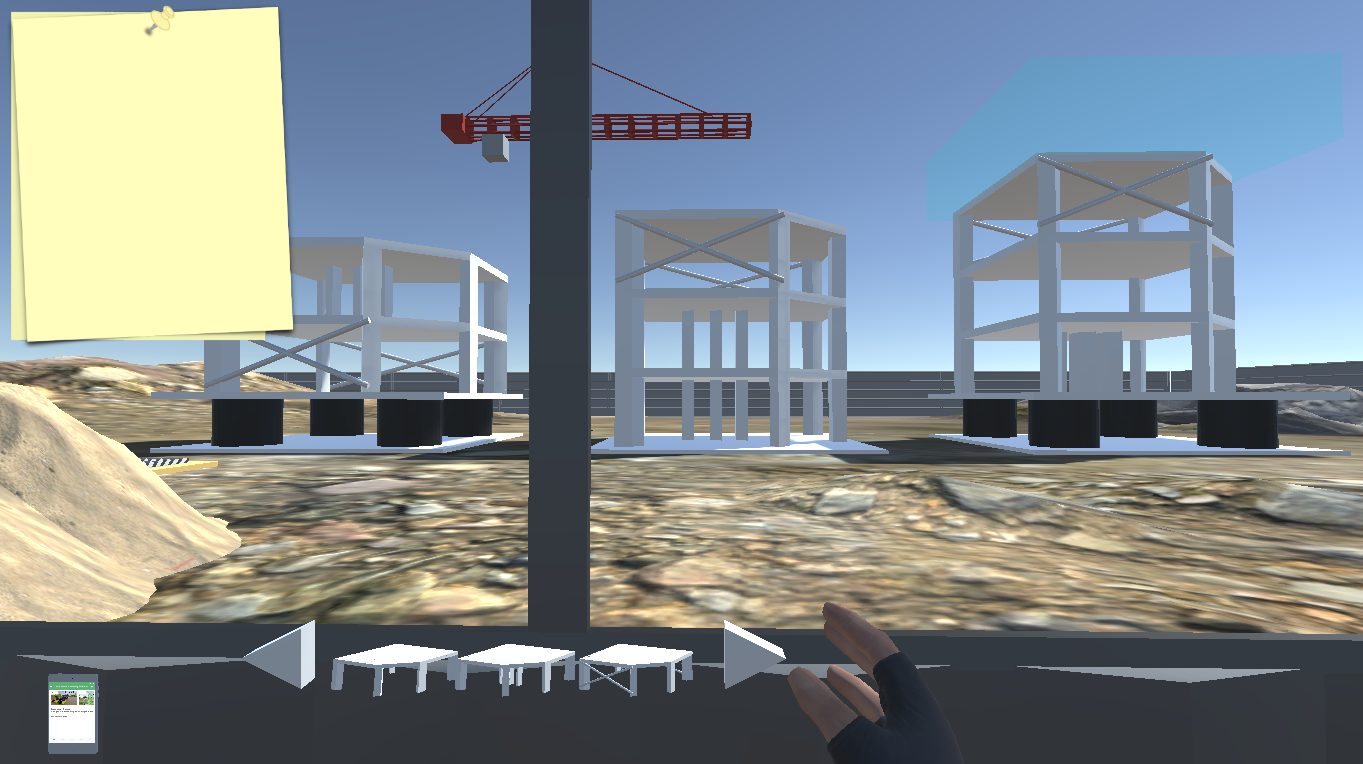
भूकम्प र भवनका प्रकारहरू

Earthquakes are natural disasters caused by the sudden release of energy in the Earth’s crust, resulting in ground shaking. Different types of buildings, like earthquake-resistant structures, can withstand seismic forces better due to their design and materials, reducing the risk of collapse and damage during a quake.

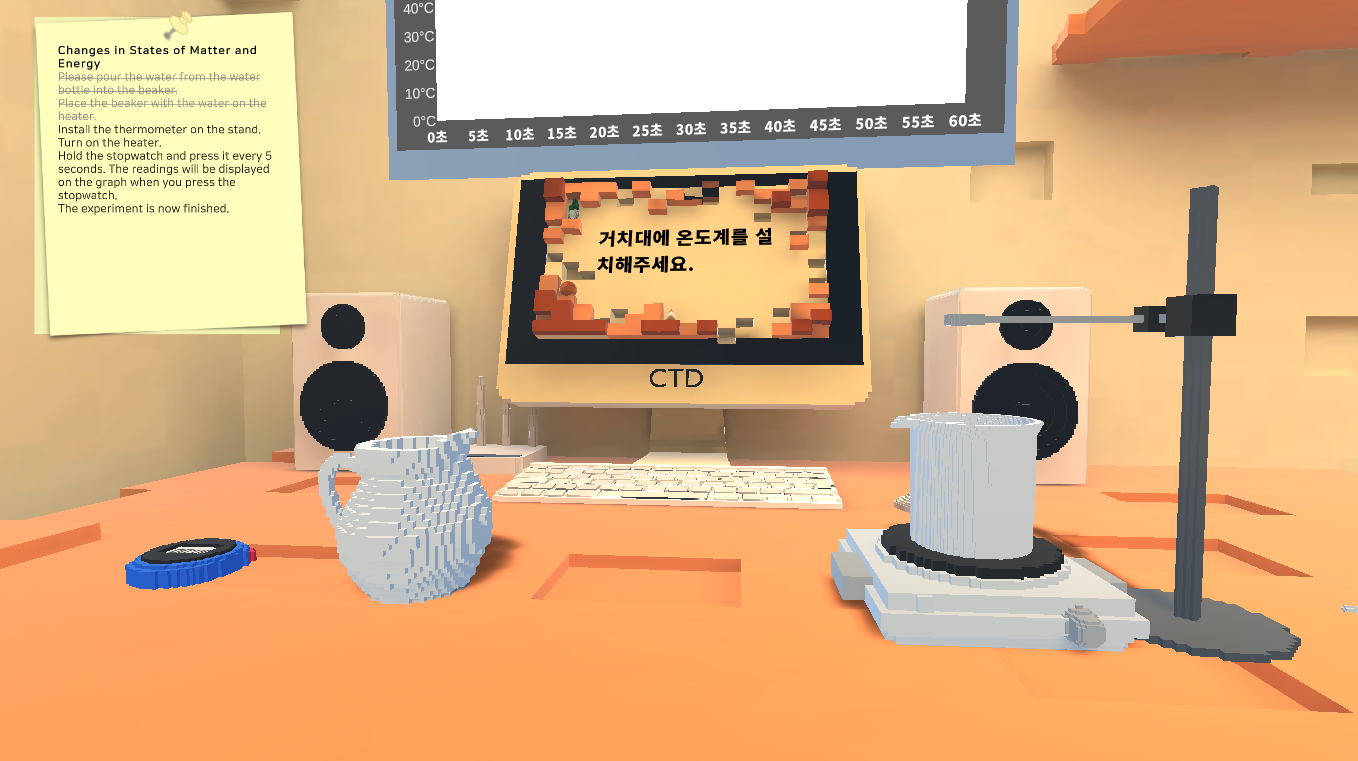
पानीको उम्लिने तापक्रम

As the water heats, its temperature will gradually increase. Observe the thermometer and stopwatch. When the water reaches its boiling point (100°C at standard atmospheric pressure), it will start to boil vigorously, and steam will escape from the surface. Simultaneously, stop the stopwatch to record the time it took to reach the boiling point. This […]

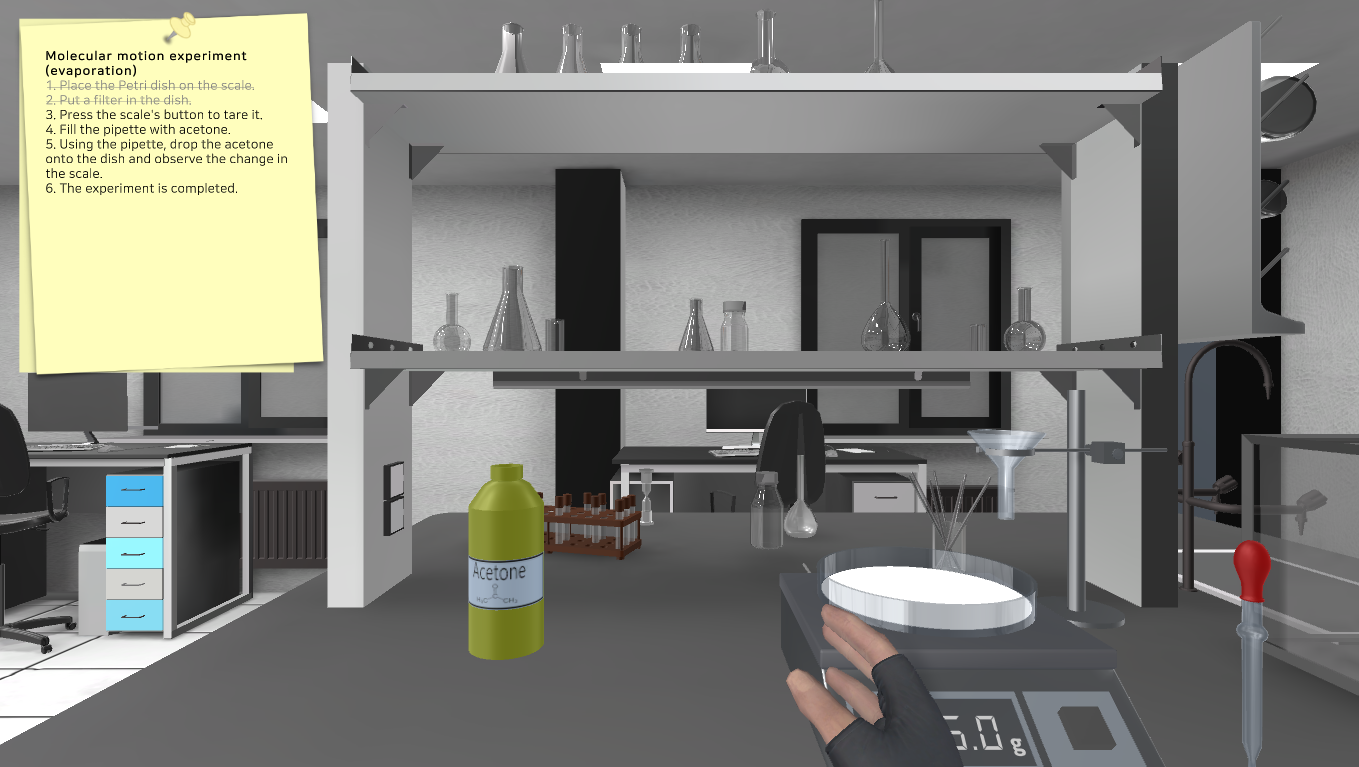
वाष्पीकरण

In an evaporation experiment using acetone and filter paper, acetone is applied to the filter paper, and the solvent rapidly evaporates, leaving behind any dissolved substances. This process is commonly used in laboratories for quick separation and purification of compounds from a solution.

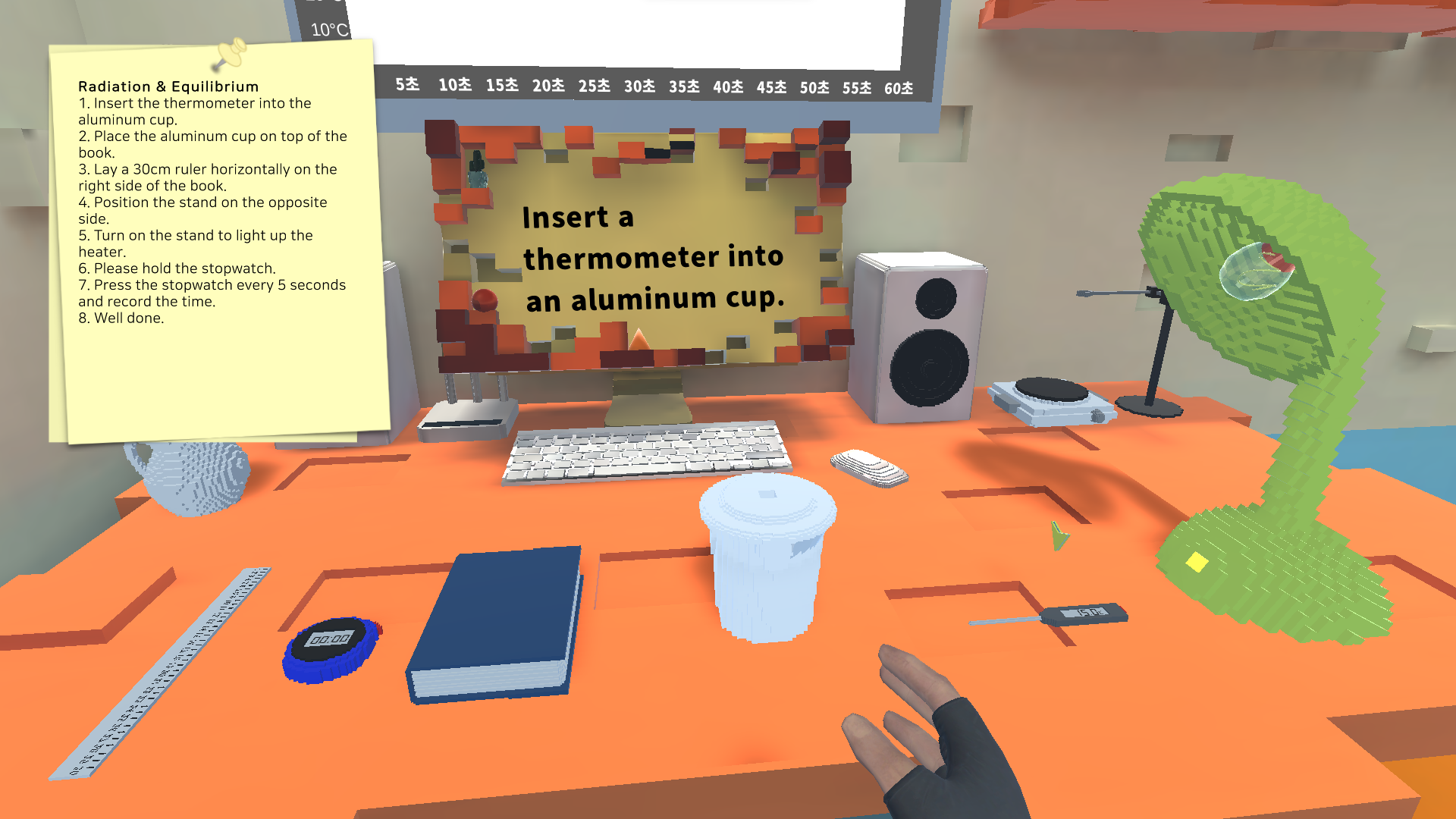
विकिरण र सन्तुलन

विकिरण भनेको विद्युत चुम्बकीय तरंगहरू जस्तै ताप वा प्रकाशको रूपमा ऊर्जाको उत्सर्जन वा प्रसारण हो। पानीको सन्तुलनले पानीको वाष्पीकरण र संक्षेपणको दरहरू बीचको सन्तुलन समावेश गर्दछ, जसले पानीको वाष्प बन्द प्रणालीमा अपेक्षाकृत स्थिर रहन्छ भन्ने सुनिश्चित गर्दछ।

Scroll to top
ne_NPनेपाली